
There’s a particular kind of business owner who always seems to have a full calendar. Their phone is buzzing, their team is busy, and new bookings keep rolling in. You might assume they have a bigger marketing budget or a better location. But in most cases, the real difference is simpler: they have a system.
Specifically, they have automated appointment setting. And once you understand how it works, you’ll wonder how you ever managed without it.
The Booking Problem Nobody Talks About
Getting a lead interested is only half the battle. The other half is converting that interest into an actual booked appointment before they lose motivation, get distracted, or call someone else.
Traditional booking flows are brutal. A lead fills out a form. You get an email. You call them back. They don’t answer. You leave a voicemail. They call back when you’re busy. You play phone tag for three days. By the time you actually connect, their urgency has evaporated.
This is how good leads die.
What Automated Appointment Setting Actually Does
Modern appointment automation eliminates every friction point in the booking process. Here’s what a typical flow looks like:
Step 1 — Instant response. The moment a lead submits a form, calls, or messages your business, they receive an immediate reply acknowledging them and offering to book a time.
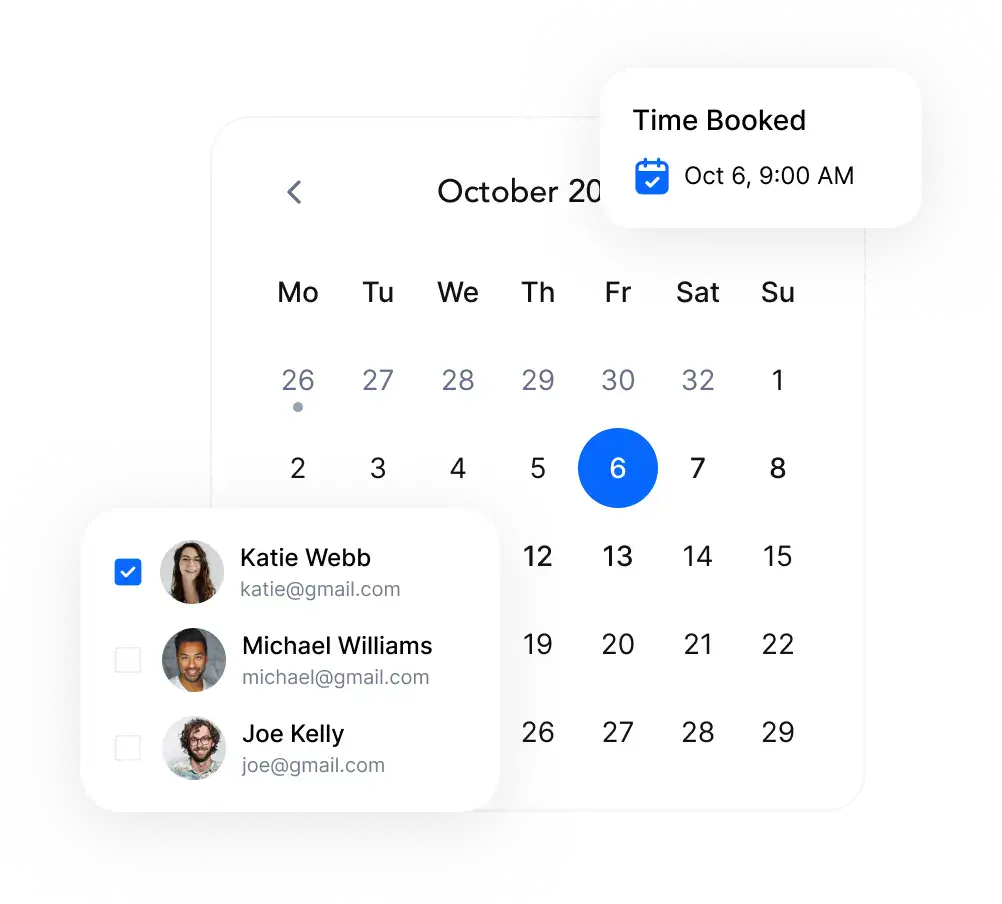
Step 2 — Self-serve scheduling. A link takes them directly to a real-time calendar showing your available slots. They pick a time that works for them — no back and forth required.
Step 3 — Automatic confirmation. Once booked, they receive a confirmation via SMS and email with all the details. Your calendar is updated instantly.
Step 4 — Reminder sequences. In the days and hours before the appointment, automated reminders go out. No-shows drop by 40–60% with the right reminder sequence in place.
Step 5 — Reschedule flows. If they need to change the time, the system handles it without involving you at all.
The Numbers Behind the System
Businesses using automated appointment setting consistently report the same outcomes: calendars that stay fuller, significantly fewer no-shows, and hours per week saved on scheduling back-and-forth.
Consider what that’s worth. If you spend 30 minutes per day on scheduling calls and follow-ups, that’s 2.5 hours per week — over 100 hours per year — spent on something a system could handle for free.
Who This Works For
Automated appointment setting works for virtually any local service business that runs on scheduled appointments:
- HVAC and plumbing companies booking service calls
- Dental and medical practices scheduling consultations
- Salons and spas managing bookings
- Contractors booking estimates
- Law firms and financial advisors scheduling consultations
If your business runs on appointments, this system pays for itself in the first week.
The Competitive Advantage You’re Missing
Here’s the uncomfortable truth: your competitors who have this in place are capturing leads you’re losing. While you’re playing phone tag, their automated system is booking the same lead while they sleep.
The good news is that adoption among small local businesses is still low. Most owners know they should have better systems but haven’t made the move yet. That means implementing this now puts you ahead of the majority of your market.
The businesses that move first will build a reputation for responsiveness and professionalism that becomes very hard for slower competitors to catch up to.
Want to see exactly how appointment automation would work for your specific business? Book a free 20-minute call — we’ll map it out together.